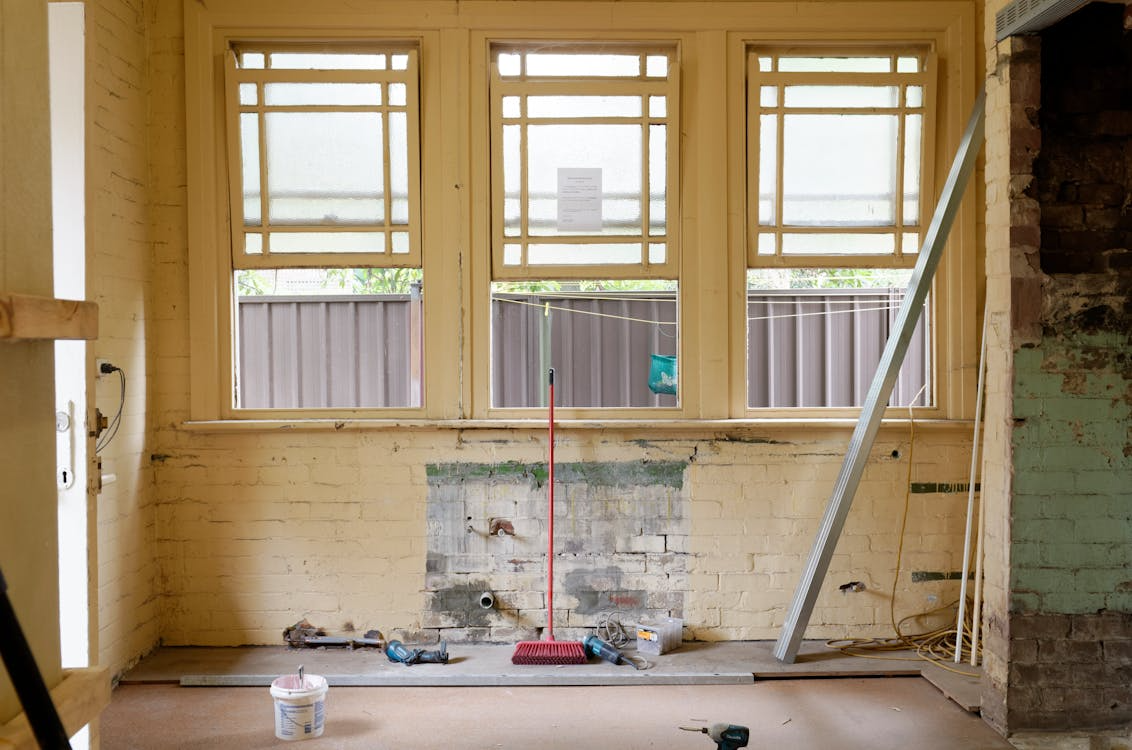
Buying a fixer-upper sounds so straightforward at first. It’s cheaper, it’s got “potential,” it’s a project, it’s going to be amazing later. And sure, sometimes that’s all true. As you probably know, when buying any house, be it old or new, there is so much you have to keep in mind, like there is absolutely a lot to think about here!
But with a house that has a lot of work to do, well, it’s not like you can do a funny 1980s montage or whatever to have it done easily and quickly. It just doesn’t work that way. And even if people on TikTok or all those home renovation TV shows make this all look like a cake walk, well, it’s honestly the furthest thing from that.
Sure, people know how DIYs can be expensive, how contractors can be expensive, how peeling off one layer of an old house leads to more hidden issues. You’re probably prepared for that, but you’d be surprised that there are a lot more issues than that. Like, there’s more issues that people don’t share, mostly because not everyone deals with them; therefore, they’re not really anticipated.
It Might Not be Mortgageable
Well, emphasis on “might” here. But yeah, this one catches people off guard because online listings can make anything look charming. But lenders can be picky, and for good reason, of course. Like missing kitchen, unsafe electrics, major damp, roof issues, structural movement, even things like no working heating in winter can make a property hard to finance with a standard mortgage. And it’s not always “the house is falling down” either.
Sometimes it’s just not considered liveable in its current state. So the buyer’s thinking, it’s a bit rough but manageable, and the lender’s thinking, nope, too risky. And so that gap is where plans get delayed.
Maybe it’s Just the Timing
A fixer-upper can be completely doable, but timing is usually the hidden boss level. If the property can’t be bought with a standard mortgage right away, or it needs work before refinancing later, that gap has to be planned for. Some buyers find a bridging loan broker to talk through short-term options, because it’s easier to make good choices when the whole funding picture is clear upfront. Not everyone can or will do this, but it’s at least one option, though.
What Does the Survey Say?
Okay, surveys are meant to be cautious, but some come back so intense, you question if you can ever financially recover at all. For example, it might be something like “evidence of moisture ingress,” “likely historic movement,” “recommend further investigation,” and basically, a house that felt like a fun project starts sounding like a full-time job, and yeah, they can sometimes be full-time jobs.
But at the same time, here, there’s another issue that’s fairly annoying because it’s not like surveys always give out clear and neat answers too, cause they don’t.
Basically, they just flag risks, then suggest specialists, and before long, there are quotes coming in from roofers, damp companies, structural engineers, and electricians. It’s a lot, right? It’s just way too much for some people, and that’s understandable too.